
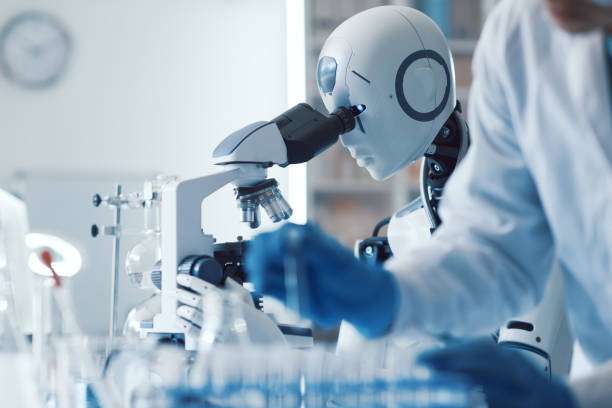
When I first started learning about medical robotics, I had the same reaction a lot of people have: a knot in my stomach. Robots? In a hospital? That sounds cold.
Like many of us, I pictured sterile, impersonal machines, beeping and whirring, standing between patients and the humans they trust. I worried that technology would push caregivers even farther away from patients — replacing warm hands with cold steel.
But the more I listened to nurses, therapists, doctors, and patients themselves, the more I realized I’d gotten it backwards.
The Real Problem: Disconnection
If you’ve ever visited a busy hospital, you know how frantic it can feel. Hallways full of rolling carts, phones ringing, staff rushing from room to room. In all that motion, human connection is the first thing to slip away.
It’s not that caregivers don’t want to connect — they’re just too busy. They’re charting, restocking, moving supplies, double-checking medications, working double shifts. Their time is stretched so thin that even a kind word starts to feel like a luxury.
And patients feel that. They feel alone, even surrounded by professionals.
When I think about “cold” hospital moments, it isn’t robots I see in my mind — it’s burned-out staff, too exhausted to look up from the computer.
That’s the true threat to humanity in healthcare: disconnection.
What Robots Could Actually Do
What if robots could help fix that?
I remember talking to a nurse who said she spends almost half her day running supplies from one floor to another. That’s half a day away from her patients. Half a day not listening, not educating, not simply being there.
If a delivery robot could handle those trips, she could stay where she was needed most. She could look patients in the eye, answer questions, calm fears.
The same goes for therapists who spend hours helping patients with repetitive exercises. A well-designed rehab robot can guide a patient through movements while the therapist coaches, encourages, and spots potential concerns.
That’s not replacing care. That’s making care better.
Patients Want Connection
I’ve asked patients how they feel about robots. Their answers surprise people. Most say they don’t mind if a robot brings them medication or food — as long as a human is there to talk to them, answer questions, and notice if something’s wrong.
One elderly gentleman told me, “I don’t care who carries my lunch tray, but I want a real person to sit with me while I eat.”
That comment struck a chord. People don’t actually crave human hands to deliver their supplies — they crave human presence. They want to be seen and heard.
And robots might be the best shot we have to free up time for that presence to happen.
Giving Caregivers Back Their Strength
Burnout steals so much from the people who care for us. It steals their patience, their energy, their empathy. Even the kindest, most compassionate nurse will struggle to be gentle after days of exhaustion.
If we keep asking them to do everything — every lift, every supply run, every routine reminder — they’ll break.
Robots can shoulder that weight. They can run endless laps around a hospital floor. They don’t get tired or resentful. They don’t lose their cool when they’re asked to repeat something for the fiftieth time.
And when robots do those things, caregivers are left with more of their own humanity intact. They’re not so physically worn down, not so mentally overloaded, not so emotionally shut off.
More Human Than Ever
In a strange way, the presence of robots might make healthcare more human.
Imagine a world where nurses have time to explain a diagnosis instead of rushing away. Where therapists can truly listen to a patient’s fears without glancing at the clock. Where family members feel heard because the staff isn’t being yanked in ten directions at once.
That’s the future robots make possible.
A Story That Stuck
One story that stays with me comes from a children’s rehab center. They brought in a therapy-assist robot to help kids practice simple movements after surgery. At first, parents worried it would feel cold and mechanical. But within a week, the kids were naming the robot, cheering it on, even giving it high-fives.
The therapists, meanwhile, had time to focus on keeping the sessions playful and encouraging, rather than stressing about every technical correction.
That combination — robot precision plus human encouragement — helped those kids recover faster. And everyone left with a smile.
That’s not less human. That’s more human.
Changing the Conversation
I think we need to flip the script. Instead of seeing medical robots as a threat to human care, we should see them as protectors of it.
They protect staff from burnout.
They protect patients from delays and errors.
They protect families from feeling ignored.
Because the truth is, the work of caring for people is heavy. Robots don’t steal its soul — they help carry the load.
Final Thoughts
If you’ve ever worried that robots would make healthcare colder, you’re not alone. I worried too. But these machines, used wisely, are our chance to bring back what matters most in hospitals and clinics: human connection.
They free up hands. They free up minds. They free up hearts.
That means caregivers can be more present, more kind, and more human than ever before.
In the end, robots might be the very reason tomorrow’s healthcare feels warmer, not colder. And I think that’s a future worth working toward.