
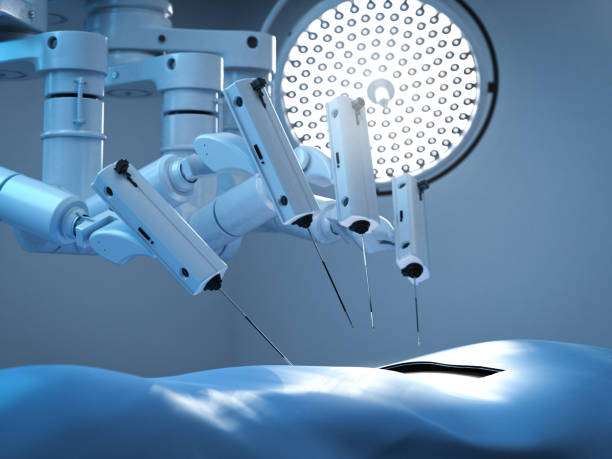
When people hear “medical robots,” they often picture some enormous, million-dollar machine whirring away in a giant operating theater. It sounds impressive — but also intimidating. I get it. Especially if you’re running a smaller clinic or community care center, the idea of bringing in robots can feel, well, a bit over the top.
I’ve sat at plenty of meeting tables with administrators who lean back, arms crossed, and say something like, “Sure, these robots are nice for big hospitals, but we’d never be able to handle them here.”
I don’t blame them for worrying. Budgets are tight. Staff are busy. And introducing any new technology feels like inviting a hundred new headaches. But after years working in medical supply — and seeing what robots can really do — I think there’s a story worth sharing about why this fear might be misplaced.
The Learning Curve Myth
The biggest myth I see is that robots are impossible to use. That you need a team of engineers hovering around, adjusting settings every ten minutes, like you’re running a spaceship.
The truth is, many wholesale medical robots today are designed specifically for simplicity. They arrive with user-friendly controls, familiar touchscreen interfaces, and straightforward instructions. They’re built for busy environments, where staff don’t have time to read a thousand-page manual.
I remember one small rehab clinic worried their therapists would be overwhelmed by a mobility-assist robot. But within a week, they had it running so smoothly you’d think they’d been using it for years. They even gave the robot a nickname. That’s how naturally it fit into their day.
When the design is good, people adapt fast.
Cost Fears vs. Cost Reality
Another fear? Cost. Understandably so. Smaller clinics work on tight margins, and robots sound expensive.
But the wholesale medical robots market has changed dramatically in the past five years. Costs have come down, and financing options have opened up. Instead of giant, all-in-one robots that do everything (and cost a fortune), there are specialized, affordable solutions for specific tasks.
You can buy a robot to move supplies. A robot to deliver medications. A robot to help patients practice their therapy exercises. You don’t have to buy them all at once — you can start with one, see how it goes, and scale up carefully.
One clinic I know started with a single robot programmed to restock linens. It freed up hours of nurse time every week. Those savings paid for the robot itself in less than six months. Once they saw the return, they invested in another. Small steps, big impact.
Staff Buy-In
Of course, there’s a human side to all of this. Staff need to feel comfortable, not threatened. That means a conversation — not a top-down edict.
If you bring a robot into a small clinic and expect everyone to welcome it without discussion, you’re setting yourself up for failure. But if you talk to staff, ask what burns them out, ask what repetitive tasks drive them crazy, and explain how a robot could help, you’ll be amazed how quickly they open up.
I remember one elderly CNA who was terrified of losing her job to a supply robot. After she tried it for a day, she told me she wished it had arrived years ago, because it saved her back from all the heavy pushing. She started calling the robot her “little helper.”
That moment stayed with me. Fear turns into partnership when you involve people from the start.
Tailored for Smaller Spaces
Another worry I hear all the time is, “Our place is too small for robots.”
That was true a decade ago, when many robotics systems were gigantic, fixed installations. But these days? Medical robots can be incredibly compact, agile, and designed for tight hallways and small storage rooms. Some are no bigger than a suitcase, rolling along without bumping walls, smart enough to avoid staff and patients.
I’ve even seen companion robots working in tiny elder-care facilities with only ten residents. They fit right in, quietly offering conversation, reminders for medication, and even small games to keep minds active.
Robots don’t have to take over the whole building. They can slip in where you need them most, like a gentle assistant rather than a showy machine.
Building Trust, Slowly
I won’t pretend robots are a magic fix. They still take some adjustment. Staff will have questions. Patients might stare at first.
That’s why it’s perfectly okay to start small — one robot, one job, one workflow. See what happens. Watch how people respond. Adjust.
When people see a robot actually working, carrying out its tasks without fuss, they start to relax. They trust it. They see it not as a threat, but as part of the team. That trust is built day by day, not overnight.
Why Smaller Clinics Deserve This
Here’s the part I feel most strongly about: smaller clinics and rural care centers deserve the same benefits from medical robots as the big hospitals do. In fact, they might need it even more.
They’re often short-staffed. They deal with more unpredictable patient loads. They don’t have the deep pockets to just throw more humans at every problem.
A well-chosen medical robot can make a small team feel twice as big. It can help them catch their breath, focus on critical decisions, and deliver the kind of personal, human-centered care they want to give.
That’s the real promise of robots — to back up human teams, no matter their size.
Final Thoughts
If you run a smaller clinic or manage a community care facility, I know you might feel overwhelmed by the talk of medical robots. That’s fair. But I promise it doesn’t have to be a nightmare of cables and chaos.
Start simple. Involve your people. Look for robots that solve real headaches — the daily, repetitive tasks that pull staff away from patients.
You don’t have to change everything at once. You can learn and grow. Wholesale medical robots can be scaled carefully, with budgets and teams in mind.
The best part? You might be surprised at how quickly these tools feel natural, even welcome, once they’re put to work.
So don’t sell yourself short. Don’t think robots are only for big-city hospitals with million-dollar budgets. If you believe your patients and staff deserve relief, focus, and safety — medical robots might be more within reach than you ever imagined.