
There’s a moment I’ll never forget. A nurse, whom I’d known for years, stood in the hallway of a busy hospital with tears in her eyes. She wasn’t crying over a tragic patient story, though there were plenty of those. She was crying because she was exhausted — physically, mentally, emotionally. She’d been hauling supplies across three floors, skipping lunch, skipping breaks, and picking up the slack for a short-staffed unit.
I remember thinking, We ask too much of the people who care for us.
That day stuck with me, because it represents a painful truth about modern healthcare: the people who deliver care are often running on empty. Burnout isn’t an abstract term — it’s the lived reality of thousands of nurses, aides, therapists, and doctors every single day.
What Does Burnout Really Look Like?
If you’ve never worked in healthcare, it might be hard to picture. We think of nurses as angels in scrubs, doctors as miracle workers, therapists as patient guides. And they absolutely are all those things — but they’re also human.
Humans get tired. They make mistakes when they’re rushed. They feel overwhelmed when there’s too much to do and not enough help. And those feelings add up until even the most compassionate professional wonders if they can keep going.
I’ve heard the stories again and again:
- Missed family events
- Late-night charting
- Back injuries from lifting patients
- Constant fear of forgetting something critical
These aren’t just work frustrations. They are deep wounds that push talented, caring people out of the industry altogether.
The Role of Robots
When we talk about medical robots, some folks still get nervous. Will they take my job? Will they replace human caregivers?
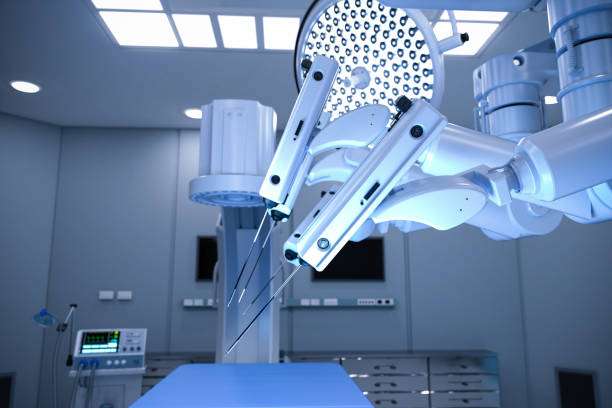
From what I’ve seen, that fear misses the point. Medical robots are not meant to replace anyone’s heart or empathy. They’re meant to carry the burden of repetitive, physically demanding, or error-prone tasks — so that human caregivers can do what humans do best: connect, comfort, and make thoughtful decisions.
Picture a delivery robot that can bring medication trays across the hospital instead of a nurse making five separate trips. Or a rehabilitation robot that can help a patient with guided exercises, freeing up the therapist to focus on motivation and long-term planning.
Those robots don’t take away the human part of care — they protect it.
Stories from the Field
One of my favorite stories comes from a small rehab clinic that integrated a mobility-assist robot for stroke patients. Before that, therapists had to manually help patients walk, step after step, hour after hour. It was physically demanding, and sometimes even dangerous if the patient lost balance.
With the robot, therapists could supervise safely while the machine handled the repetitive balance corrections. Patients progressed faster. Therapists were less exhausted. Nobody had to choose between safety and progress.
That’s what good robotics can do.
I heard a similar story from a rural hospital where a delivery robot started handling linen and supply restocking. It took the pressure off nurses who were constantly leaving their patients to push carts down crowded hallways. Suddenly, nurses had more time for patient questions, family conversations, and critical thinking.
These small shifts might not sound revolutionary on paper, but in the real world, they’re life-changing.
Protecting the Human Touch
I know the fear is real: that one day, hospitals will feel cold and mechanical, run by machines with no soul. But from everything I’ve seen — and everything I believe — the real risk is the opposite.
If we keep overloading human caregivers with impossible workloads, they’ll burn out. They’ll leave. They’ll be replaced not because robots are better, but because there won’t be enough people left to do the job.
Robots, used thoughtfully, are one way to preserve the warmth, patience, and empathy that great care requires. They take on the tasks that wear people down so the people can keep showing up with open hearts and steady hands.
That is how we should think about medical robotics: as protectors of the human spirit, not its competitors.
A Smarter Kind of Teamwork
I sometimes compare it to a kitchen. A chef might use a food processor to prep vegetables, but that doesn’t replace their skill or their artistry. It just frees them up to focus on the dish as a whole — the flavors, the presentation, the experience.
In the same way, a medical robot is like a tool that takes on the chopping, stirring, carrying, and heavy lifting. The caregiver still decides what’s best for the patient, still comforts them, still thinks creatively. But they’re no longer bogged down by things that drain their energy and passion.
That’s the teamwork I want to see in hospitals: human and machine side by side, each doing what they do best.
Looking Forward
Burnout in healthcare is not going away on its own. As our population ages, as chronic conditions become more common, the demands on caregivers will only grow. We can’t expect them to just work harder, longer, faster.
We have to give them help.
Medical robots are part of that solution. They aren’t perfect, and they won’t solve every challenge, but they offer something deeply hopeful: a chance to share the workload, protect workers from injury, and preserve the compassion that makes healthcare so powerful in the first place.
Final Thoughts
If you’ve ever stood in a hospital hallway, listening to alarms and seeing exhausted faces, you know what’s at stake. We cannot afford to lose the people who care for us.
Wholesale medical robots aren’t about replacing those people — they’re about saving them. About giving them the strength, the focus, and the space to keep doing what they love.
So if you ask me, medical robots might just be one of the best answers to burnout we’ve ever had.